

August 12, 2025
Healthy Back-to-School Lunches
Healthy back-to-school lunch ideas and a simple Rainbow Veggie Wrap recipe to keep kids fueled, focused, and free from harmful additives.
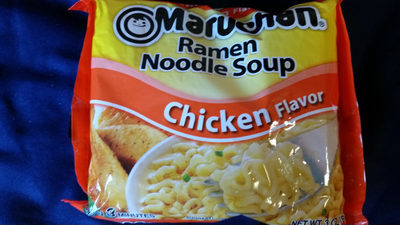
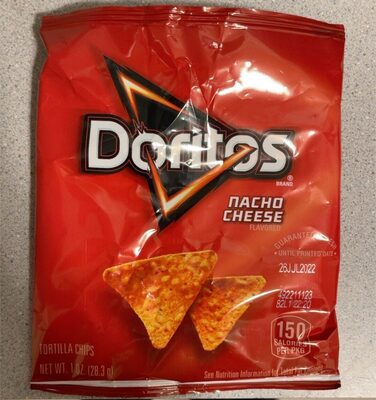
Monosodium Glutamate (MSG)
The sodium salt of glutamic acid, MSG, is used in cooking as a flavor enhancer providing an umami taste that intensifies the meaty, savory flavor of food, similar to how naturally occurring glutamate does in foods such as stews and soups. Originally derived from seaweed now derived from fermented corn, potatoes and rice. Mostly found commercially in low quality highly processed foods.
MSG, Sodium Glutamate, Glutamate, Textured Protein
Consumption of monosodium glutamate (MSG) has been linked in studies to negative health effects such as obesity, diabetes, and metabolic syndrome. The concern with MSG is that it contains glutamate, which when consumed in high doses, can act as an excitotoxin or neurotransmitter known to kill brain cells. Certain people claim to experience headaches when consuming MSG, as well as other averse symptoms like muscle tightness, numbness, tingling, weakness and flushing. Studies have not been able to consistently reproduce these effects in a controlled setting. Overall, consuming small amounts of MSG is unlikely to cause harm for most people. However, as with any food additive, individuals who are sensitive to MSG or have underlying health conditions should be aware of their total consumption.
EXCLI Journal
International Journal of Food Properties
PubMed
Pub Med
Science Direct - Journal of Allergy and Clinical Immunology
International Journal of Clinical and Experimental Medicine
FDA
August 12, 2025
Healthy back-to-school lunch ideas and a simple Rainbow Veggie Wrap recipe to keep kids fueled, focused, and free from harmful additives.

July 8, 2025
Discover five product swaps at Kroger that avoid harmful additives and enjoy more real-ingredient foods without sacrificing flavor or convenience.

June 4, 2024
Is Shin Ramyun healthier than Buldak? Compare popular instant ramen brands and find cleaner alternatives with Trash Panda’s ingredient ratings.

April 30, 2024
With summer just around the corner, it's important to keep the essentials stocked

October 17, 2023
Trash Panda's list of healthy food options for college, including frozen foods, snacks and packaged meals!
500,000+ shoppers making better choices
Instantly flag harmful ingredients, understand why they matter, and find cleaner alternatives.
Eat cleaner, feel better
Get the Trash Panda App