


October 1, 2026
Healthiest Instant Ramen in 2026: Best Brands, Ratings & Easy Swaps
The healthiest instant ramen of 2026, rated by Trash Panda. See which brands are a Good Choice and what to swap for Maruchan, Shin, and Buldak.
A recent study out of UC Davis found that a large share of packaged foods labeled “made with avocado oil” aren’t actually made with pure avocado oil. If that sounds alarming, take a breath — this isn’t a reason to panic or clear out your whole pantry. It’s a reason to get informed, ask better questions at the shelf, and know you have trustworthy options while the industry sorts this out.
Below, we break down exactly what the study found, why this kind of thing happens, and which clean-ingredient alternatives, (made with olive oil, beef tallow, and coconut oil), you can reach for with more confidence right now.

Researchers at UC Davis's Department of Food Science and Technology tested 54 products labeled as containing avocado oil — chips, mayonnaise, and salad dressings purchased from stores and online retailers.
Using fatty acid and sterol profiles as a kind of chemical fingerprint, they compared each product against what pure avocado oil should look like, building in a 10% margin of deviation to account for natural differences like growing region and avocado variety.
The results, published July 15, 2026 in the journal Applied Food Research, were striking:
For comparison, the researchers also tested 20 products labeled as olive oil, and only one failed — a helpful reminder that oil authenticity issues aren't universal, and that some categories are already better policed than others.
Avocado oil doesn't have the same long history of standardized purity testing and third-party certification that olive oil does. Extra virgin olive oil is backed by organizations like the North American Olive Oil Association (NAOOA) and the California Olive Oil Council (COOC), which run voluntary certification programs because olive oil faced its own adulteration problems for years — cheaper, more available oils quietly blended in to cut costs during a period of fast-growing demand.
Avocado oil is now going through a similar growth spurt without the same guardrails yet in place, which makes it more vulnerable to the same kind of quiet cost-cutting further up the supply chain, whether that happens intentionally or through blending and mislabeling somewhere between the source and the shelf.
Not necessarily, and that's not us downplaying the findings, it's just what the study itself supports. A few things worth keeping in mind:
If you want to keep using the avocado oil products you already have, that's a reasonable choice. If you'd rather have more certainty in the meantime, here's where to look and what products to purchase instead.
Extra virgin olive oil is one of the more heavily scrutinized oils on the market, thanks to certification programs built specifically in response to past adulteration scandals. Look for a NAOOA or COOC seal on the bottle for an extra layer of verification, and consider well-tested, widely available options like:
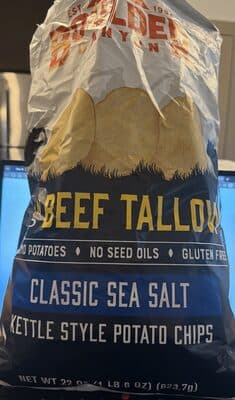
Tallow has surged back into favor as a traditional, minimally processed fat, and it's a straightforward swap for cooking, frying, and even some baking. Brands with a single-ingredient, grass-fed pedigree include:
Coconut oil is another minimally processed, easy-to-verify option — especially when it's labeled organic and cold-pressed or virgin, which limits how much room there is for other oils to sneak in during processing.
Ready to swap something in today? Here are real products already in the Trash Panda database made with olive oil, beef tallow, coconut oil, or ghee instead of avocado oil — organized by the categories the UC Davis study actually tested.



Flagged Ingredients

As always, formulations can change — scan any of these with Trash Panda before you buy to confirm exactly what's in the bottle or bag.
You don't have to memorize brand names or become an amateur food scientist to shop smart. The Trash Panda food scanner app lets you scan or search any packaged product and instantly see its full ingredient breakdown, so you can make an informed call in the aisle instead of relying on front-of-package marketing alone.
We've also built a curated Cooking Oil Finds list inside the app with oils and oil-based products our team already trusts, so you have a starting point today.

If you are looking to learn even more about seed oils, what they are, and why this study is a big deal. Check out our article All About Seed Oils!
A new UC Davis study raises real, worthwhile questions about how avocado oil is verified and labeled — and it's fair to want more clarity before you fully trust the “100% avocado oil” claim on a bag of chips. But this is a call for better standards and more testing, not a five-alarm pantry emergency. While that plays out, olive oil, beef tallow, and coconut oil all offer well-tested, clean-ingredient ways to cook with confidence — and Trash Panda is here to help you check exactly what's in whatever you reach for next.
500,000+ shoppers making better choices
Instantly flag harmful ingredients, understand why they matter, and find cleaner alternatives.

About the author:
Founder & General Manager
Certified Nutritional Therapy Practitioner and founder of Trash Panda, the food scanner app. Former software product manager who built Trash Panda after discovering the prevalence of harmful additives in everyday foods and their link to chronic disease.
Read more→October 1, 2026
The healthiest instant ramen of 2026, rated by Trash Panda. See which brands are a Good Choice and what to swap for Maruchan, Shin, and Buldak.

September 8, 2026
Creamy overnight oats with Greek yogurt, chia, and cinnamon. Five minutes of prep, zero ultra-processed ingredients. Makes 4 servings.

September 4, 2026
Compare Trash Panda, Exposr, Yuka, Bobby Approved, OASIS, and ONFORK to find the ingredient scanner that's safest and best value.
Eat cleaner, feel better
Get the Trash Panda App